Punishment usually aims to discourage harmful behavior. We penalize people who break the rules or take advantage of a group without contributing. Ideally, this helps cooperation flourish.
But sometimes, the logic gets turned upside down. Instead of punishing the free rider, a group turns against the person who helps.
Antisocial punishment means penalizing people who contribute to the welfare of the group. The cooperative and generous become targets, creating an environment where selflessness is discouraged. Good deeds, rather than earning appreciation, can provoke suspicion, resentment, or sabotage.
Why would we punish behavior that benefits us? Five psychological and social forces help explain this counterintuitive response.
Five Reasons People Punish Altruism
1. Generosity Can Break Social Norms
Social norms define what a group considers acceptable. They tell us not only what we should do, but also what counts as going too far.
Someone who departs too much from those expectations may become unpopular, even when they are simply trying to help. The problem is not necessarily the helpful act itself. It is the departure from what everyone else considers normal.
We tend to see people who conform as predictable and safe. Those who behave differently can seem potentially dangerous. Unusual generosity can therefore trigger the same unease as other forms of nonconformity.
Being helpful does not always protect someone from the social cost of standing out.
2. We May Misinterpret Good Intentions
Experience teaches us how to interpret other people. Unfortunately, it can also teach us to distrust kindness.
If apparently nice people have previously deceived, scammed, or betrayed us, we may begin to associate generosity with hidden motives. An unusually helpful person then raises a question: What do they really want?
In this case, hostility toward an altruist may grow out of self-protection. We are responding to the harm we anticipate, rather than the help actually being offered.
3. Kindness Can Threaten Someone Else’s Status
Generosity can bring social recognition. A kind and virtuous person may gain standing within a group, whether or not that was their intention.
But status is often relative. When one person looks more generous, others may look more selfish by comparison. Their position in the group can feel threatened.
Antisocial punishment can then become a competitive strategy. Instead of contributing more themselves, people may try to undermine the altruist. Bringing the generous person down becomes a way to protect or advance their own standing.
4. Good Behavior Can Threaten Our Self-Image
Most of us prefer to see ourselves in a favorable light. Someone else’s unusually generous behavior can make that picture harder to maintain.
Their actions create an uncomfortable comparison. Rather than reconsider our own behavior, we may resent the person who makes us feel less virtuous.
Consider someone who eats meat and discredits vegetarians. The reaction may stem from feeling morally judged, even when the vegetarian has said nothing critical. The other person’s choice alone can feel like an accusation.
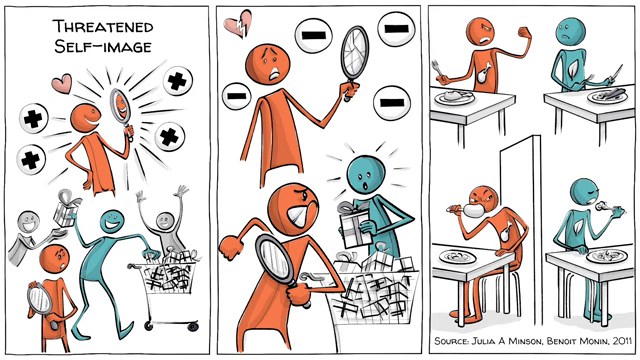
The important distinction is between being judged and feeling judged. Antisocial punishment can arise from the second, even when the first never happened.
5. Receiving Help Can Feel Like a Burden
We have a strong need for reciprocity. When someone helps us, we often want to offer something in return.
If we feel unable to repay that kindness, receiving help can produce shame or guilt. Those uncomfortable feelings may then be directed toward the very person who helped us.
A therapeutic relationship illustrates this possibility. A well-meaning therapist who offers services free of charge may find that a patient leaves dissatisfied. Charging even a token fee can sometimes support a more successful, lasting relationship because the patient has a way to reciprocate.
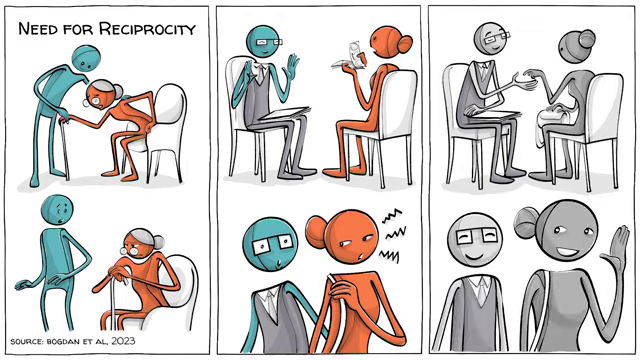
The point is not that free help is inherently harmful. It is that generosity does not always feel emotionally free to the person receiving it.
Antisocial Punishment Across Societies
Antisocial punishment is not just a matter of individual personality. The surrounding culture matters, too.
A 2008 study published in Science examined antisocial punishment across 15 countries. The pattern described stronger antisocial punishment in settings characterized by:
- Cultural acceptance or encouragement of selfish behavior.
- High levels of social inequality.
- Higher levels of government corruption.
These findings connect personal reactions to a broader social environment. Generosity does not happen in isolation. It is interpreted through local expectations about cooperation, fairness, and trust.
When Good Behavior Becomes Risky, Everyone Loses
Whatever drives it, antisocial punishment can harm more than the person being targeted.
When people are penalized for helping, the group discourages the very behavior that supports its well-being. The result can be a culture of mediocrity, where standing out becomes risky and innovation is suppressed.
A group that punishes its contributors undermines its own ability to thrive.
That leaves two uncomfortable questions worth considering. Have you ever suffered socially because you tried to do something good? And have you ever felt the urge to bring someone down because their good behavior made you uneasy?
Understanding antisocial punishment asks us to examine both sides: how we treat those who help us, and what their kindness brings up in ourselves.
|


