An abusive relationship does not always feel abusive. There may be affection, attention, apologies, and periods when everything seems to be getting better. These moments can make the harm harder to recognize and the relationship harder to leave.
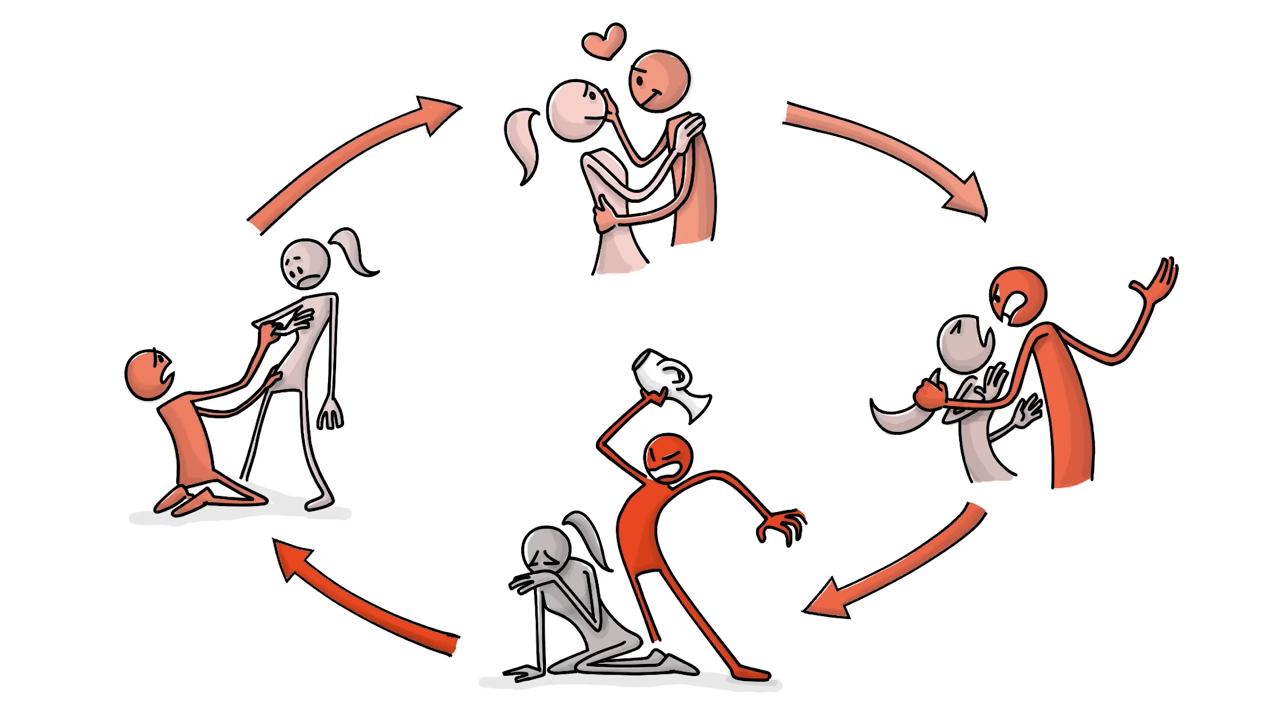
The cycle of abuse describes a repeating pattern: a honeymoon phase, rising tension, an incident of abuse, and reconciliation. After reconciliation, affection returns, tension gradually builds, and the cycle begins again.
Understanding this pattern helps explain a difficult question: why might someone remain emotionally attached to a partner who repeatedly hurts them?
Key Takeaways
- The cycle of abuse moves through affection, rising tension, an abusive incident, and reconciliation.
- Unpredictable affection can reinforce emotional attachment despite repeated harm.
- Self-blame, isolation, trauma bonding, and practical dependence can make leaving difficult.
- A return to kindness does not, by itself, mean the abusive pattern has ended.
The Four Phases of the Cycle of Abuse
1. The Honeymoon Phase
During the honeymoon phase, the abusive partner may appear charismatic, attentive, and deeply committed. They may push the relationship forward quickly, encouraging commitment before the other person has had much time to reflect.
From the outside, the partnership can look ideal. From within, it may feel like finding someone who is exceptionally invested in a shared future.
This phase builds a strong emotional attachment. Later, when harmful behavior appears, the person being hurt still remembers the caring partner they first knew. That contrast can make abuse more difficult to recognize and resist.
2. Rising Tension
Gradually, the atmosphere changes. The abusive partner may become controlling, unpredictably angry, or emotionally withdrawn.
Instead of questioning the relationship itself, the person experiencing this behavior may search for an explanation that preserves it. Perhaps the change is temporary. Perhaps their partner is going through a difficult time. Perhaps they believe they have done something wrong.
The focus shifts from recognizing harmful behavior to trying to prevent it. The person may begin adjusting their own behavior in the hope of bringing back the earlier warmth.
3. An Incident of Abuse
Eventually, the abusive partner crosses a line. The incident may involve:
- Emotional manipulation
- Physical violence
- Betrayal
- Sexual assault
The person harmed may experience shock, fear, anger, or helplessness. Meanwhile, the abusive partner may shift responsibility onto them or blame outside circumstances.
This is often the point when someone wants to leave and begins planning an exit. But the next phase can pull them back into the relationship.
4. Reconciliation
During reconciliation, the abusive partner tries to persuade the other person to stay. They may apologize, promise to change, plead for another chance, or threaten to harm themselves.
The person being hurt may remain attached to the partner they remember from the beginning. They may believe that, with enough patience and support, they can help that person change.
This sense of responsibility can become a psychological chain. Leaving may feel not only painful, but like abandoning someone who needs help.
Then the apparently ideal partner returns. Another honeymoon phase begins, followed by tension, another abusive incident, and another reconciliation. As the pattern repeats, the abuse can become more intense.
Why the Cycle Can Be So Difficult to Break
The cycle is sustained by more than promises. Emotional rewards, self-blame, secrecy, trauma bonding, and practical dependence can all reinforce it.
Unpredictable Affection Keeps Hope Alive
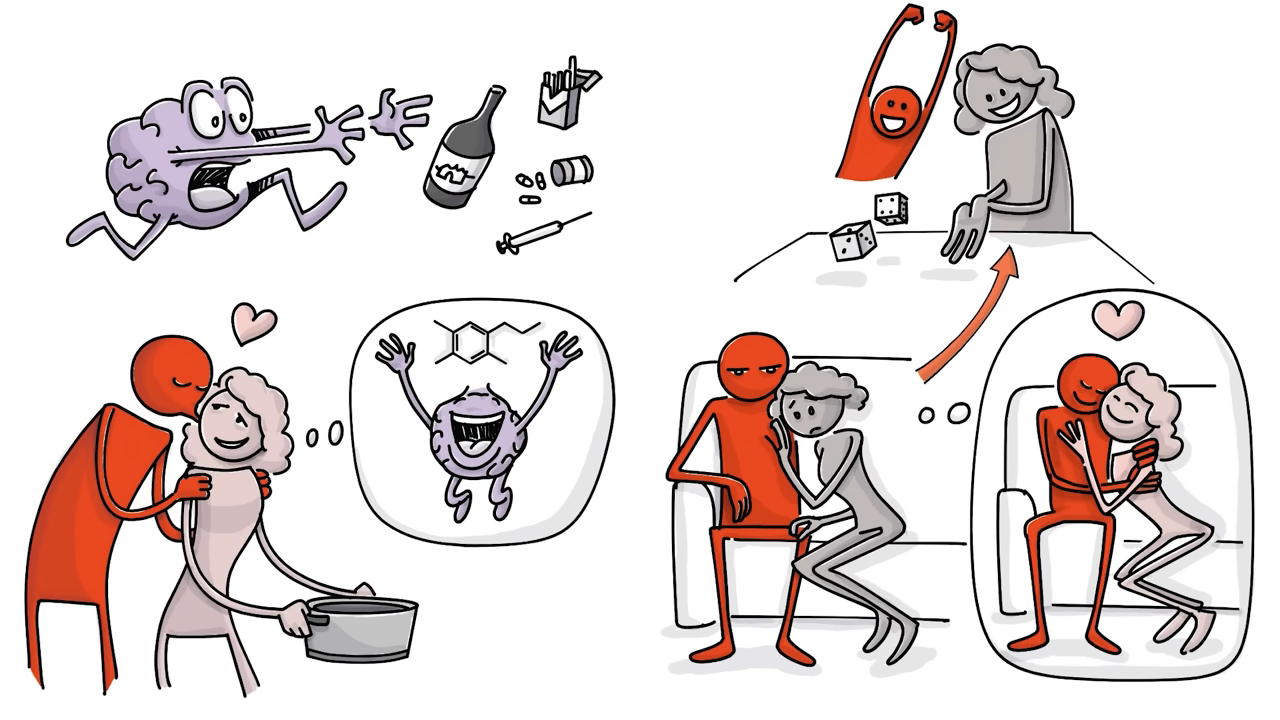
Psychologically, the pattern resembles processes seen in addiction. Unpredictable bursts of affection act as intermittent rewards, engaging the brain’s dopamine reward system.
Like a gambler waiting for the next win, a person may remain emotionally invested while waiting for the next moment of kindness. The comparison describes a reinforcement pattern, not a personal weakness.
The loving moments do not sit outside the cycle. Their unpredictability can help keep it going.
Self-Blame Changes What Feels Tolerable
People experiencing abuse may internalize responsibility for their partner’s actions. They may believe that being more agreeable or complying with demands will prevent the next incident.
This can create deep shame, especially when children are also affected. As incidents become routine, the threshold for what feels tolerable may gradually rise. Behavior that once seemed unacceptable can begin to feel like something that must be endured or forgiven.
Yet believing that compliance will prevent abuse does not make the person experiencing it responsible for another person’s actions.
Hidden Abuse Creates Isolation
Abuse often happens behind closed doors. The same person who behaves cruelly in private may appear charming and considerate in public.
This gap between private experience and public appearance can make speaking out difficult. Shame may grow when everyone else seems to see a wonderful partner rather than the person who causes harm.
Trauma Bonding Connects Pain With Relief
Over time, shame and loneliness may lead someone to interpret their suffering as a choice they have brought upon themselves.
At the same time, the abusive partner becomes both the source of pain and the person who offers comfort afterward. This paradoxical attachment is known as trauma bonding.
The person someone turns to for relief is also the person causing their distress. Under these conditions, separation can feel emotionally impossible, even when the harm is clear.
Practical Barriers Raise the Cost of Leaving
Emotional attachment is only part of the explanation. Financial commitments, marriage, and shared parenthood can create dependence and make leaving much more complicated.
Each additional commitment can raise the cost of an exit. Someone may fear losing their child or becoming homeless. These are serious practical concerns, not simply a reluctance to end a relationship.
Asking why someone stays without considering these barriers misses much of what keeps the cycle in place.
How Widespread Is Partner Violence?
One study cited in this discussion estimated that more than one in four women and one in seven men had experienced severe physical violence from a partner. These figures concern severe physical violence, rather than every form of abuse described above.
Reported figures may also leave harm uncounted. Fear, stigma, and failures in institutional responses can prevent people from reporting what happened. The CDC’s overview of intimate partner violence provides additional public health context.
Recognizing the Pattern and Finding Support
The important question is not only why someone stays. It is also what makes the relationship difficult to leave, what warning signs are being overlooked, and how people experiencing abuse can access support.
Recognizing the cycle means looking at the whole pattern, not only the worst incident or the most loving apology. A return to affection does not, by itself, mean that the pattern has ended.
If this pattern feels familiar, confidential support is available through the National Domestic Violence Hotline. Understanding what is happening can be a starting point for seeking help.
The difficulty of leaving does not make the abuse a freely chosen experience. Attachment, shame, isolation, and practical dependence can all narrow a person’s sense of what is possible. Recognizing those forces is essential to understanding the cycle without blaming the person caught in it.
|