Intelligence is not a fixed trait. This is the central idea behind the Feuerstein method: people can develop their cognitive abilities, regardless of age, background, or disability. The key is not simply more exposure to information. It is human mediation, a guided learning experience that helps people become better learners.
A mediator does more than help someone complete a task. They shape the learning experience so that, over time, the learner can guide their own thinking. The goal is not permanent dependence on a teacher, but a growing ability to learn independently.
How Feuerstein Developed His Theory
In the 1950s, psychologist Reuven Feuerstein worked with children arriving in Israel from North African communities. To determine their school placement, the children underwent a series of assessments, including IQ tests.
Feuerstein noticed that some children learned unfamiliar tasks easily, while others struggled. Looking more closely, he connected these differences to their earlier learning environments.
Some children had grown up with opportunities for their local culture to be passed from one generation to the next. Through these interactions, they had experienced adults helping them interpret and understand the world. Feuerstein called this a mediated learning experience.
Other children had been deprived of continuity with their original culture and had missed such opportunities. In Feuerstein’s interpretation, their difficulties did not simply reveal a fixed limit on intelligence. They also reflected differences in the learning experiences available to them.
Direct and Mediated Learning
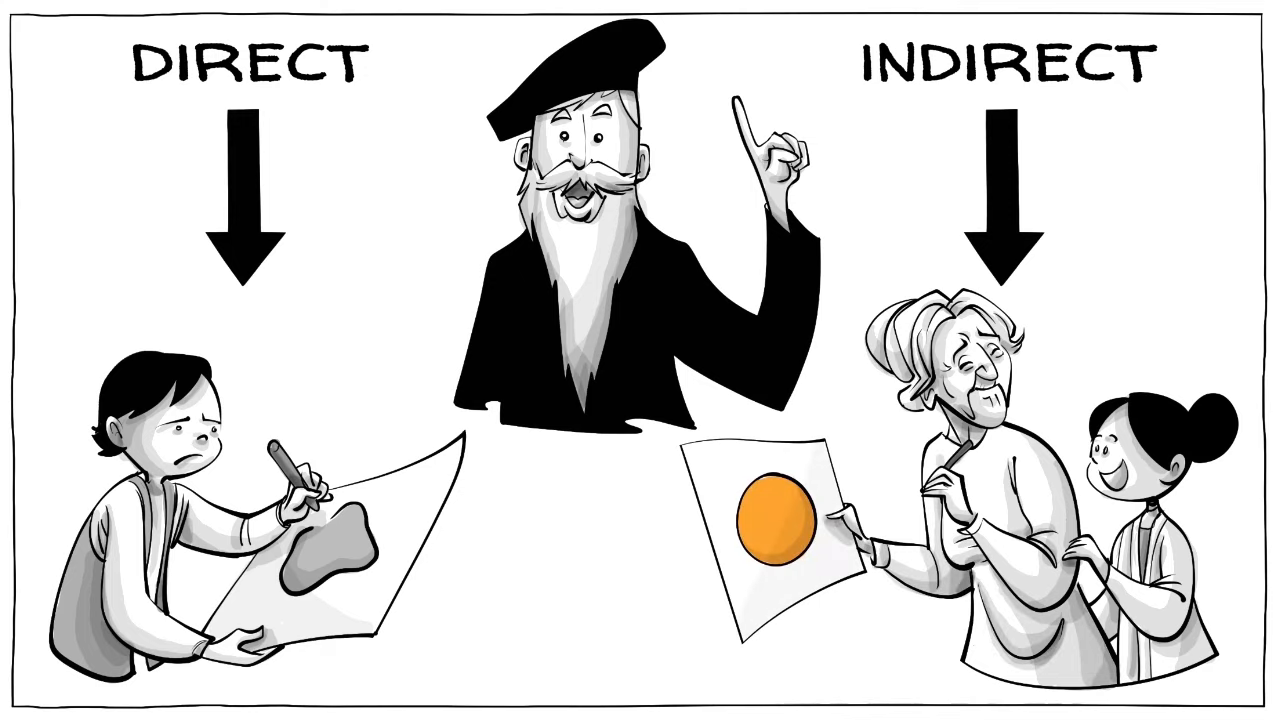
Feuerstein distinguished between two forms of learning:
- Direct learning: The learner encounters a task or experience directly.
- Indirect, or mediated, learning: Another person helps shape the encounter, selecting what matters and guiding the learner’s engagement with it.
His argument was not that direct learning is unnecessary. Rather, direct experience alone may not be enough for a child to reach their potential. Mediated learning helps develop the capacity to benefit more effectively from direct experience.
What Does a Mediator Do?
Mediation is an intentional process. The mediator curates the learning journey instead of leaving the learner to make sense of everything alone.
This involves several connected responsibilities:
- Selecting meaningful materials that give the learning experience a clear focus.
- Sparking curiosity so the learner becomes interested in engaging with the task.
- Providing comfort and support as the learner encounters difficulty.
- Offering feedback that helps the learner make progress.
The relationship matters because the aim goes beyond getting the right answer. Through repeated guided experiences, the child gradually internalizes the mediation process.
From Guidance to Self-Mediation
What initially happens between two people can gradually become something the learner does for themselves. Feuerstein described this as self-mediation.
As learners internalize the guided experience, they become better equipped to approach direct learning independently. Mediation therefore strengthens what Feuerstein called cognitive modifiability: the capacity for cognitive functioning to change.
Within this theory, intelligence is closely connected to how effectively someone can learn. Helping a person improve their learning process is therefore a way of developing their cognitive capacity, not merely adding to what they know.
Dynamic Assessment: Looking at Learning Potential
Feuerstein developed two practical approaches from these ideas: a dynamic assessment of cognitive processes and a cognitive intervention program.
Dynamic assessment focuses on learning potential. It considers the progress a person makes as a result of mediation, rather than looking only at what they can do without help.
This changes the question an assessment asks. Instead of focusing solely on current performance, it also asks how that performance changes when meaningful guidance is introduced. The learner’s response to mediation becomes an important part of understanding their capacity to learn.
Instrumental Enrichment: Developing Problem-Solving Skills
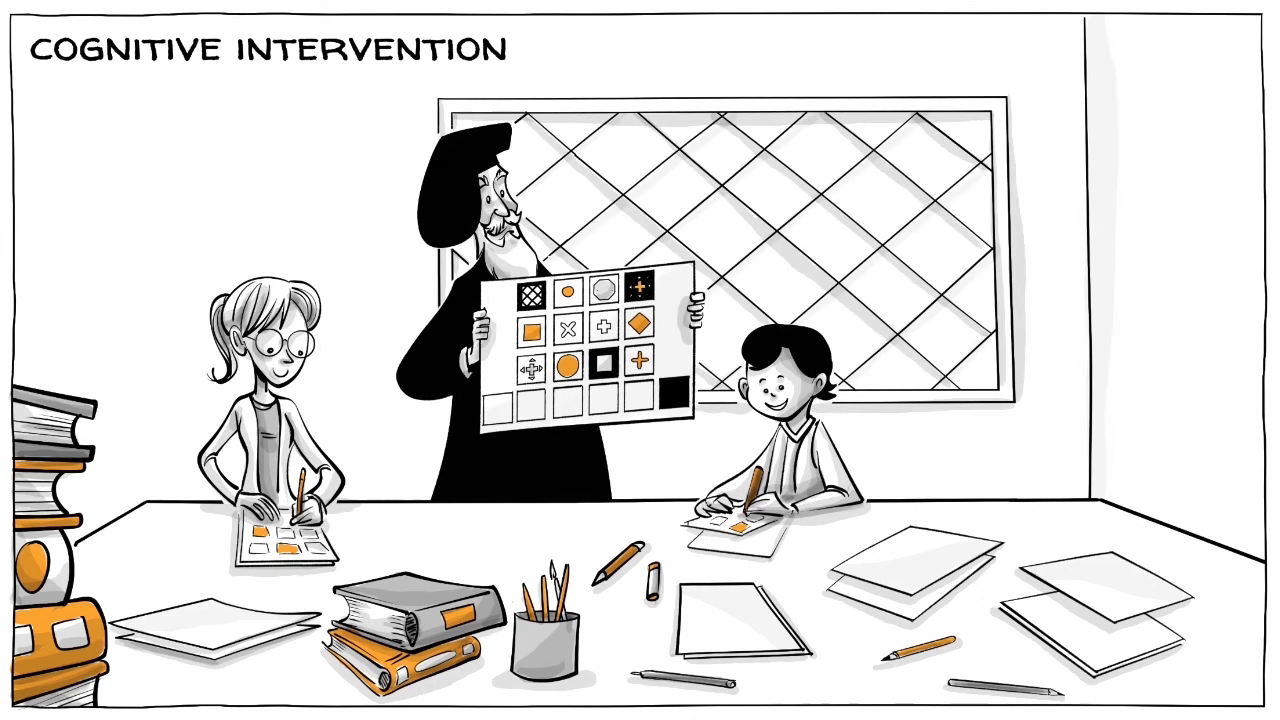
The cognitive intervention program, also known as instrumental enrichment, provides children and adults with books, tools, and materials designed to enhance problem-solving skills.
Where dynamic assessment examines the learner’s potential for change, instrumental enrichment works to develop it. The materials support a mediated learning process aimed at improving how a person approaches problems.
Feuerstein continued working with hundreds of children and documented substantial improvements among those receiving intensive mediation of cognitive strategies. Some children previously considered unable to learn eventually entered mainstream schools or universities.
These outcomes challenged the idea that a learner’s initial difficulties must determine their educational future. Tens of thousands of people have since been taught using Feuerstein’s methods.
Begin With the Learner’s Strengths
Feuerstein’s advice to educators placed strengths before weaknesses: before trying to address what someone finds difficult, be prepared to recognize what they can do.
This principle brings the method’s ideas together. A learner is more than an assessment result. Their current performance is not the same thing as their learning potential, and guidance can help reveal capacities that might otherwise remain overlooked.
The Feuerstein Institute continues its founder’s work and provides further information about the method. At its heart is a hopeful educational proposition: with meaningful human mediation, people can develop not just new knowledge, but a greater capacity to learn.
|