A frightening experience can end while the feeling of danger remains. You may continue to fear for your safety, even when the immediate threat has passed. For some people, this persistent state of alarm is part of post-traumatic stress disorder, or PTSD.
Severely traumatic experiences, such as violence, child abuse, or a natural disaster, can lead to PTSD. To understand why, it helps to begin with something we all experience: stress.
How the Stress Response Keeps Us Safe
Stress is a natural response to uncertainty and perceived threats. When danger seems close, specific hormones surge, preparing your body to respond in one of three ways:
- Fight: confront the threat.
- Flee: escape from danger.
- Freeze: become still in response to the threat.
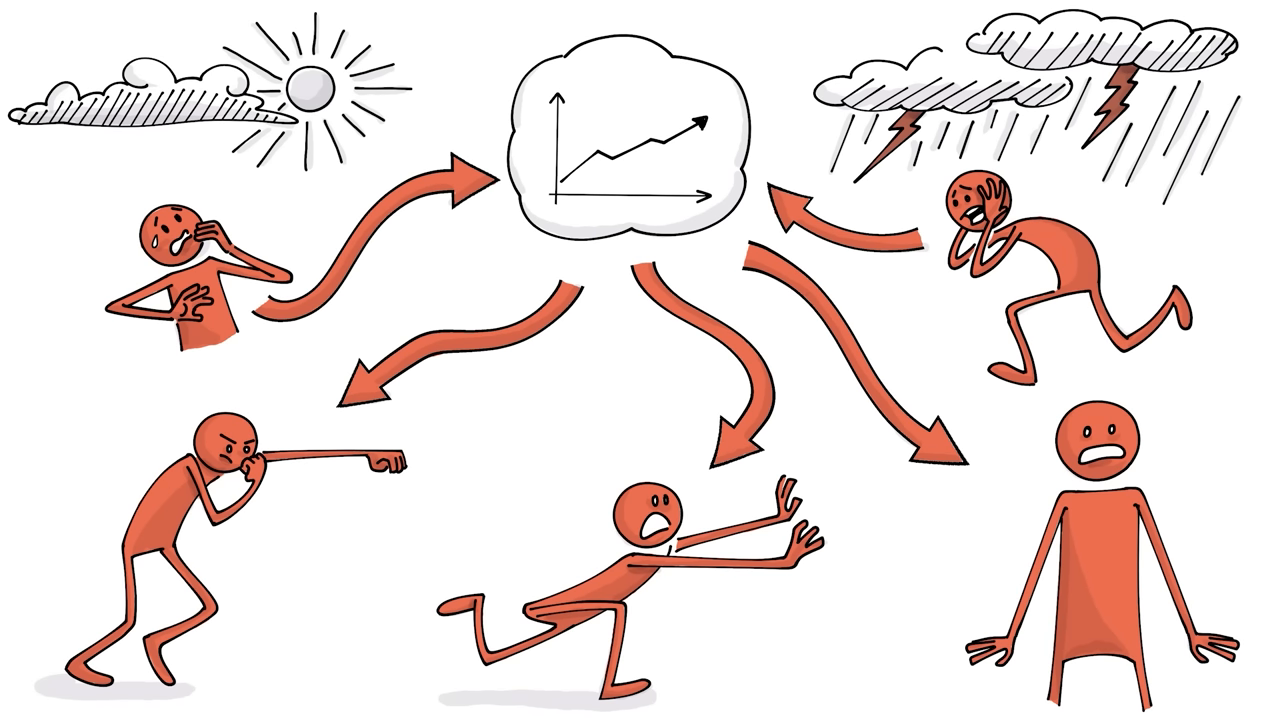
Once the danger passes, the body usually settles back into a calmer state. You may feel exhausted, but also relieved. The alarm has done its job, and you can begin to recover.
When the Brain Remains on Alert
An overwhelmingly threatening experience can have a more lasting effect. Severe trauma can be associated with structural changes in the brain, leaving the mind continually alert rather than allowing it to return to calm.
The distinction is important: the danger may be over, but your brain can continue responding as though you still need protection.
At its core, PTSD involves a protective response that comes at a very high cost. The system meant to keep you safe can make it difficult to feel safe at all.
PTSD Symptoms and Their Everyday Impact
PTSD can affect memories, sleep, emotions, and the way you respond to your surroundings. Symptoms can include:
- Intrusive memories: unwanted recollections of the traumatic experience.
- Insomnia: difficulty sleeping.
- Nightmares: distressing dreams that disrupt rest.
- Anxiety: persistent feelings of fear and tension.
- Hypervigilance: continually scanning your environment for potential threats.
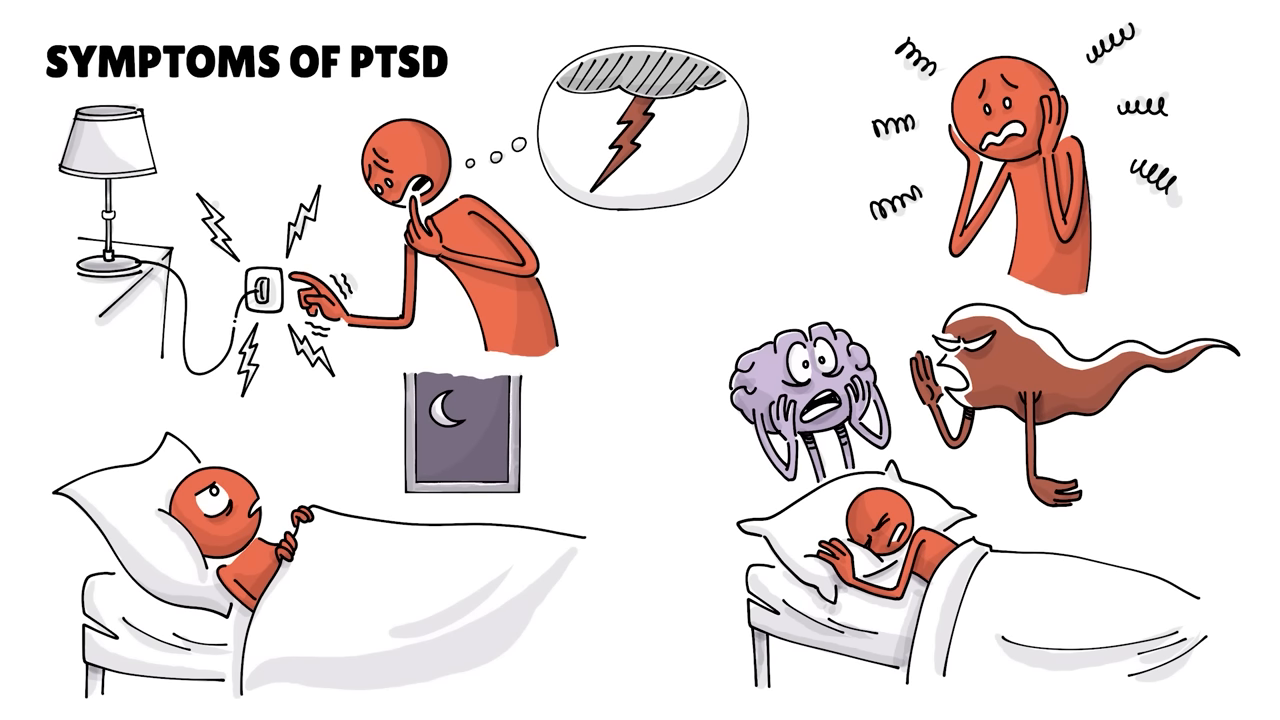
Hypervigilance means more than being careful. It is a sustained state of readiness, as if danger could appear at any moment. Everyday life becomes difficult when your attention is repeatedly drawn toward detecting threats.
Over time, this chronic stress can become exhausting. Some people turn to alcohol, drugs, or other ways of numbing themselves in an effort to regain a sense of control. These attempts to escape distress reflect how difficult living with a persistent internal alarm can be.
How Treatment Can Help Restore a Sense of Safety
Addressing trauma often involves cognitive behavioral therapy, eye movement desensitization and reprocessing (EMDR), or community support. These approaches offer ways to work through traumatic experiences and receive support rather than face their effects alone.
Recovery involves helping the brain learn that the threat has passed. Over time, the world can begin to feel less dangerous, and the need to stay constantly on guard can ease.
The central idea is hopeful: a brain that has learned to remain on alert can also learn to recognize safety again. For further information about symptoms and treatment, the National Institute of Mental Health’s PTSD guide provides a useful reference.
|